
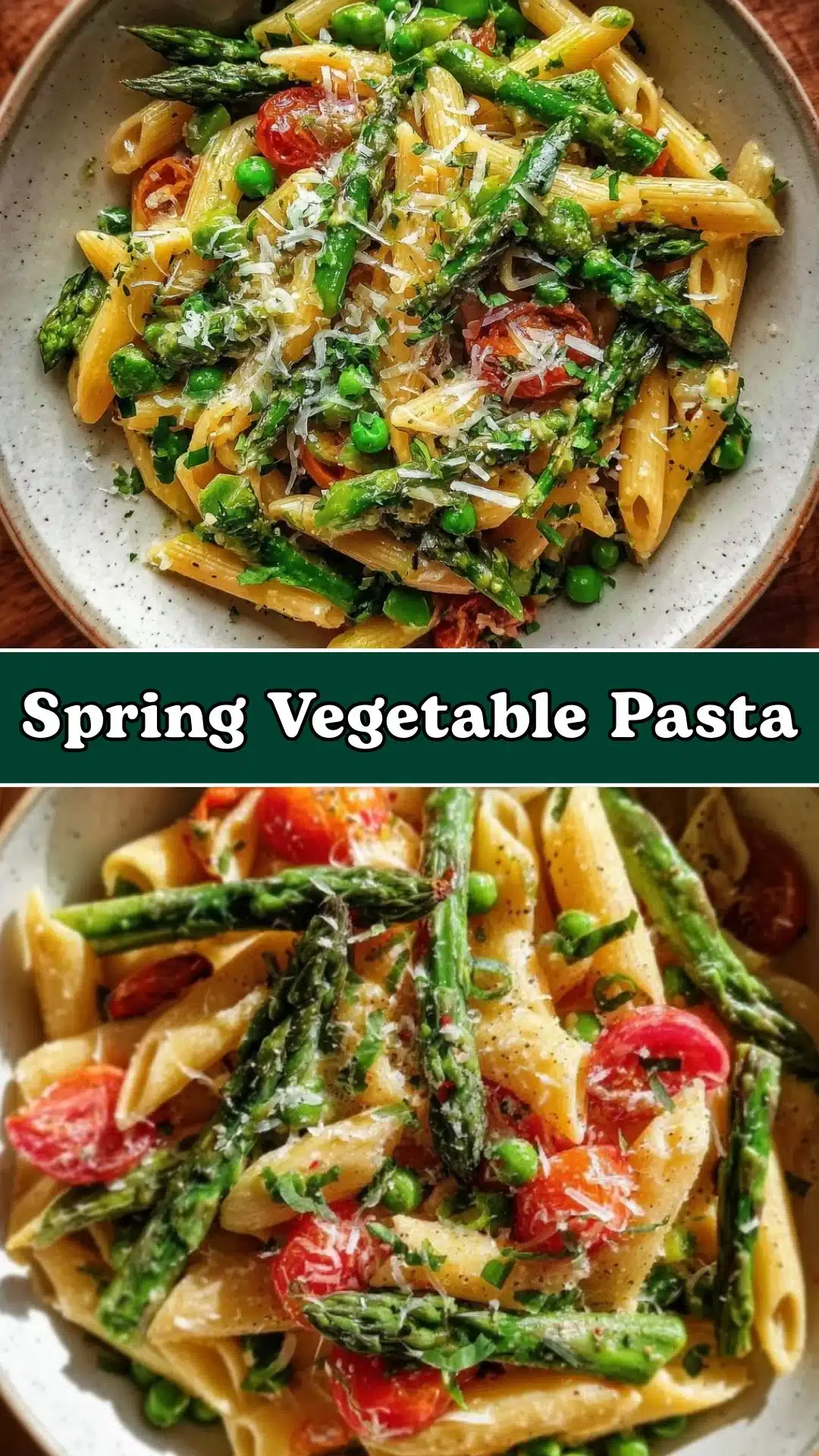
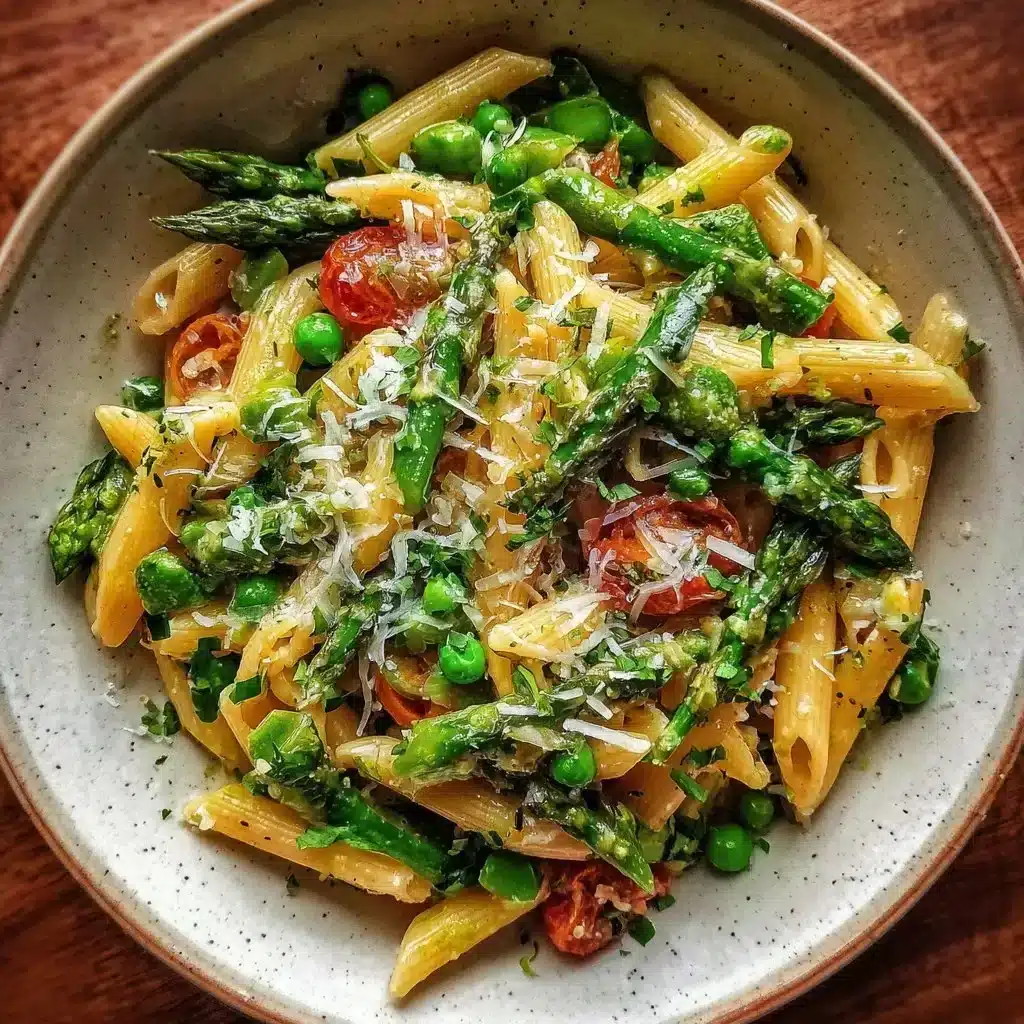
Spring Vegetable Pasta is a vibrant and colorful dish that celebrates the best flavors of the season. With a delightful blend of fresh asparagus, sweet peas, and juicy cherry tomatoes, this pasta dish is not only visually appealing but also bursting with flavor. It’s perfect for spring gatherings, family dinners, or anytime you crave a light yet satisfying meal. The combination of bright vegetables and al dente pasta makes every bite an uplifting experience.
The sensory experience begins as you smell the garlic sautéing in olive oil, inviting you to savor the dish. As you dig into a bowl of this Spring Vegetable Pasta, you will feel the crunch of asparagus and the burst of sweetness from the peas. In this article, you’ll find everything from a detailed ingredient list to step-by-step instructions that make this dish achievable for any cook. Get ready to bring a taste of spring into your kitchen!
Why You’ll Love This Recipe
- Fresh Ingredients: Packed with seasonal vegetables, this pasta dish is a celebration of freshness.
- Ease of Preparation: It’s a one-pan meal, making it simple to whip up on busy nights.
- Nutrition: Full of vitamins and nutrients from fresh vegetables, it’s a healthy choice.
- Versatility: You can easily customize it with your favorite proteins or herbs.
- Presentation: The bright colors make it visually stunning, perfect for any occasion.
This recipe is appealing to everyone, from kids to adults, ensuring that mealtime is a hit!
Preparation and Cooking Time
- Total time: 30 minutes
- Preparation time: 10 minutes
- Cooking time: 20 minutes
Ingredients You’ll Need
Start by selecting the right spaghetti or penne pasta. Then gather fresh asparagus, sweet peas, cherry tomatoes, lemon, garlic, olive oil, salt, pepper, and grilled chicken or shrimp (optional), along with Parmesan cheese and fresh herbs like basil or parsley (optional).
Main Protein
For a hearty element, grilled chicken or shrimp is often used. Either option adds protein and satisfies hunger. Prepare them by grilling or pan-searing until fully cooked and golden. If you’re looking for an alternative, consider sautéed tofu for a vegetarian option. Ensure all proteins are cooked through for safety.
Starch/Pasta
Typically, spaghetti or penne pasta works best for this dish, providing a robust base for the vegetables. Cook pasta according to package instructions until al dente, which means tender yet firm. If you’re looking for an alternative, zucchini noodles can create a low-carb version. Just be cautious to avoid overcooking them, as they can become mushy.
Seasoning/Spice Blend
Season the dish with salt and pepper. These simple seasonings enhance the flavor of vegetables. Use fresh-ground pepper for a more intense taste. If you’re looking for an alternative, a pinch of Italian seasoning adds lovely herbal notes. Adjust to your taste for best results!
Liquids/Dairy
Olive oil is essential for sautéing the vegetables and adds richness. Use high-quality extra virgin olive oil for the best flavor. If you’re looking for an alternative, unsalted butter can create a rich finish. Avoid using too much oil to keep the dish balanced.
Aromatics & Vegetables
Garlic, asparagus, sweet peas, and cherry tomatoes bring life to the dish. Chop garlic finely and trim asparagus into bite-sized pieces. If you’re looking for an alternative, use bell peppers for added sweetness. Watch the cooking time to ensure veggies remain crisp and colorful.
Optional Finishing Ingredients
Parmesan cheese and fresh herbs like basil or parsley can add a flavorful touch. Grate the cheese freshly for better taste. If you’re looking for an alternative, nutritional yeast offers a cheesy flavor for vegans. Garnish each plate before serving for visual appeal.
Step-by-Step Instructions
Preparing Spring Vegetable Pasta is easy and stress-free, all done in one pan for quick cleanup!
Step 1: Boil the Pasta
Bring a large pot of water to a boil. Add salt, then stir in your chosen pasta. Cook according to package instructions, about 10-12 minutes, until al dente. Reserve ½ cup pasta water before draining to adjust sauce later.
Step 2: Sauté Garlic
In a large skillet, heat olive oil over medium heat. Add minced garlic and sauté for about 1 minute until fragrant but not browned. This step is crucial as it develops the base flavor.
Step 3: Cook the Vegetables
Add chopped asparagus and sauté for 3-4 minutes until tender-crisp. Next, stir in sweet peas and cherry tomatoes. Cook for another 2-3 minutes until tomatoes soften. Keep an eye on the colors; everything should stay bright!
Step 4: Combine Pasta and Vegetables
Add the drained pasta to the skillet. Pour in reserved pasta water gradually, mixing to combine. The water helps create a light sauce that clings to the pasta. Toss well for even distribution.
Step 5: Season it Up
Sprinkle salt and pepper to taste. Toss again to mix the seasonings throughout. Taste to adjust, ensuring every bite is flavorful; this step makes a big difference.
Step 6: Add Finishing Touches
Remove from heat and stir in fresh herbs and cheese, if using. Let the residual heat melt the cheese slightly for a creamy texture. This elevates the dish to another level.
Step 7: Serve Warm
Plate the pasta beautifully and garnish with extra herbs and cheese. Enjoy immediately while warm for the best experience!
How to Serve
- Presentation: Serve in shallow bowls to highlight the vibrant colors.
- Accompaniments: Pair with a simple salad or garlic bread.
- Portions: This recipe serves 4, making it perfect for family meals.
- Beverage Pairing: A crisp white wine or sparkling water complements the dish.
Enjoy the combination of flavors and shades for a delightful dining experience!
Additional Tips
- Flavor Enhancement: Add lemon juice and zest for brightness.
- Customization: Experiment by adding your favorite seasonal vegetables.
- Serving Suggestions: Serve with crusty bread to soak up the flavors.
Recipe Variations
- Pesto Spring Vegetable Pasta: Stir in prepared pesto for an herbal kick.
- Creamy Spring Vegetable Pasta: Add cream or a vegan alternative for a rich sauce.
- Spicy Spring Vegetable Pasta: Include red pepper flakes for a heat boost.
Freezing and Storage
- Storage: Keep in an airtight container in the refrigerator for up to 3 days.
- Freezing: Freeze in portions for up to 2 months. Reheat in a skillet with a splash of water.
Special Equipment
- Large pot for boiling pasta
- Skillet for sautéing
- Colander for draining pasta
- Cutting board and knife
- Measuring cups and spoons
- Wooden spoon for mixing
FAQ’s
Q: Can I use frozen vegetables?
A: Yes, frozen vegetables work well! Just add them during the sauté step to heat through.
Q: Is this dish healthy?
A: Absolutely! It’s loaded with fresh veggies and can be adjusted for dietary needs.
Q: Can I make this in advance?
A: Yes, you can prep the veggies and cook the pasta ahead of time, then combine when ready to serve.
Q: What can I add to make it heartier?
A: Grilled chicken, shrimp, or chickpeas are great options for extra protein.
Q: What if I don’t have a stovetop?
A: You can cook the pasta in a microwave and sauté vegetables in a microwave-safe dish.
Conclusion
Spring Vegetable Pasta is a delightful dish that combines fresh flavors, vibrant colors, and excellent nutrition. It’s perfect for light spring meals, family dinners, or entertaining guests. With its easy preparation and adjustable ingredients, you can make it your own. So gather your fresh vegetables and get cooking—you’ll love every bite!
Spring Vegetable Pasta
Ingredients
Method
- Bring a large pot of water to a boil. Add salt, then stir in the pasta. Cook according to package instructions (about 10-12 minutes) until al dente. Reserve ½ cup pasta water before draining.
- In a large skillet, heat olive oil over medium heat. Add minced garlic and sauté for about 1 minute until fragrant but not browned.
- Add chopped asparagus and sauté for 3-4 minutes until tender-crisp.
- Stir in sweet peas and cherry tomatoes. Cook for another 2-3 minutes until tomatoes soften.
- Add the drained pasta to the skillet. Pour in reserved pasta water gradually, mixing to combine.
- Sprinkle salt and pepper to taste. Toss again to mix the seasonings throughout.
- Remove from heat and stir in fresh herbs and cheese, if using.
- Plate the pasta beautifully and garnish with extra herbs and cheese. Serve warm.


Did you make this recipe?
Share a photo and tag us, we can’t wait to see what you’ve made!